
Wooden Pallets Auction
Add a review FollowOverview
-
Founded Date February 27, 1945
-
Sectors Telecommunications
-
Posted Jobs 0
-
Viewed 9

Company Description
9 Lessons Your Parents Teach You About Pallets Distributor
The Essential Guide to Pallet Distribution: Understanding the Role of a Pallet Distributor
In the realm of logistics and supply chain management, the function of a pallets distributor is crucial. Pallet distributors function as a crucial link in between producers, merchants, and supreme end-users, guaranteeing that goods are transported effectively and sustainably. With the increasing need for ecologically friendly and cost-effective services, the significance of pallet suppliers has risen, triggering a more detailed take a look at what they do, types of pallets they handle, and best practices in the market.
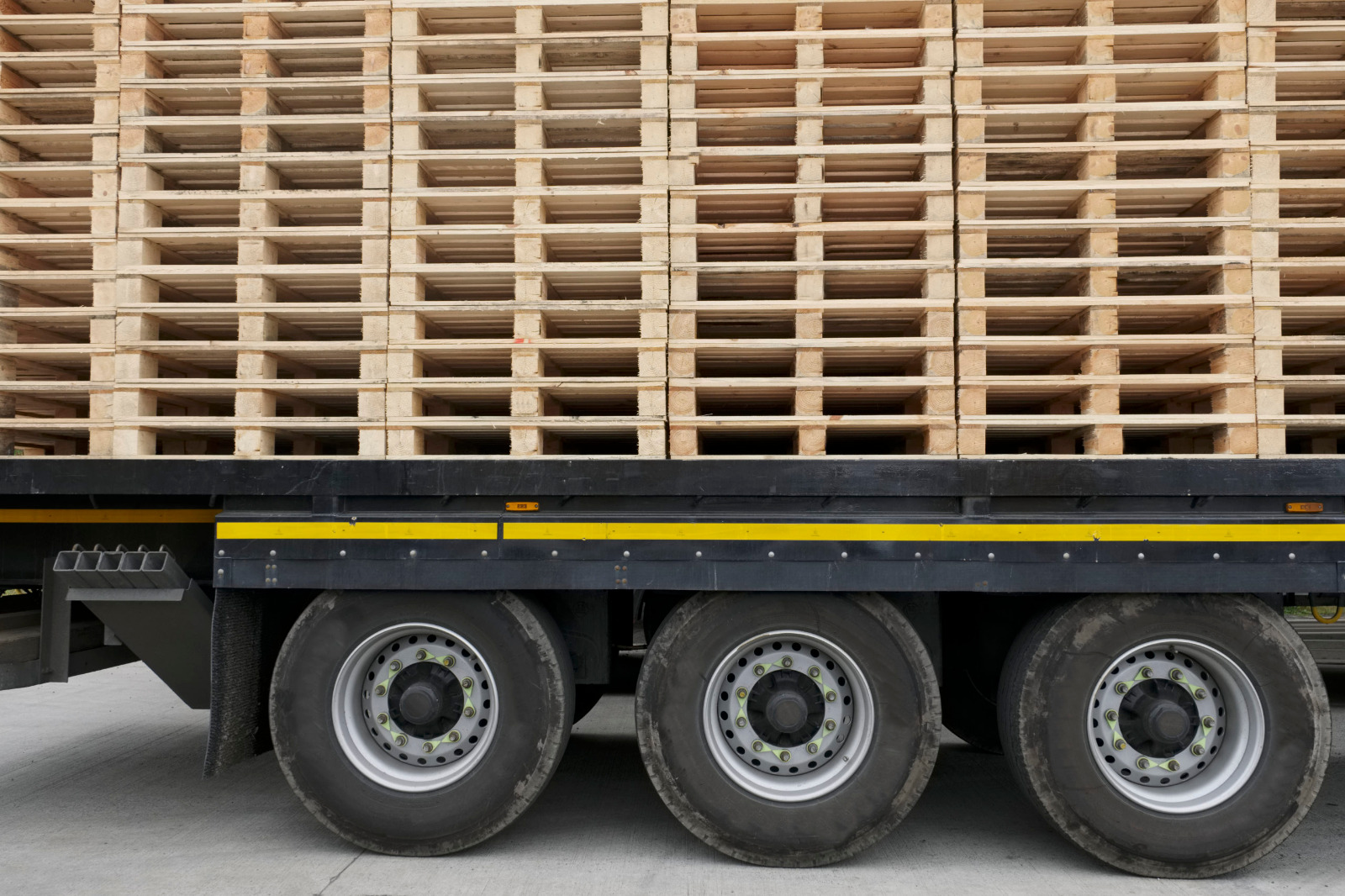
What is a Pallet Distributor?
A pallet distributor is a company or entity that supplies pallets to organizations throughout different sectors, including retail, production, and logistics. Their obligations extend beyond simple distribution, incorporating sourcing, storage, and recycling of pallets. The particular services used may vary by distributor, however the core mission is to provide trustworthy and efficient pallet options customized to consumer requirements.
Functions of a Pallet Distributor
An extensive understanding of a pallet distributor’s functions can be gleaned from the following table:
| Function | Description |
|---|---|
| Sourcing | Recognizing and obtaining raw products for pallet production. |
| Storage | Offering warehousing facilities for keeping pallets up until required. |
| Distribution | Transferring pallets to clients or sellers, guaranteeing prompt shipment. |
| Recycling | Executing methods to recycle used pallets and lessen waste. |
| Personalization | Supplying custom services, including branding and various sizes or kinds of pallets. |
| Repair and Maintenance | Providing services to fix broken pallets, extending their life-span. |
Types of Pallets
Pallets come in various types, each tailored for particular purposes. Below is a list of the most common varieties used in pallet circulation:
- Wooden Pallets: The conventional option, known for their toughness and strength.
- Plastic Pallets: Lightweight and resistant to wetness, perfect for industries prone to spills.
- Metal Pallets: Used for heavy loads, especially in harmful environments.
- Cardboard Pallets: Eco-friendly choices for lighter loads and one-time use.
- Composite Pallets: Made from a mix of materials, integrating the benefits of different types.
The choice of pallet typically depends on the nature of the item being transported and the particular requirements of the supply chain.
Benefits of Using a Pallet Distributor
Engaging a pallet distributor offers numerous benefits:
- Cost Efficiency: Distributors often have direct access to bulk getting, passing cost savings onto customers.
- Proficiency: Their knowledge of the marketplace guarantees services utilize the most proper pallet solutions.
- Sustainability: Many suppliers provide environmentally friendly alternatives, lining up with sustainability objectives.
- Versatility: They can offer tailored pallet options that satisfy particular customer requirements.
Difficulties Facing Pallet Distributors
Regardless of the clear benefits, pallet suppliers also experience challenges that can affect their operations. A few of these difficulties include:
- Supply Chain Disruptions: Fluctuations in supply and demand can affect schedule.
- Regulatory Compliance: Navigating industry guidelines can be intricate and time-consuming.
- Expense of Materials: Sourcing products for pallets can be affected by market volatility.
- Ecological Concerns: Balancing production with sustainability efforts is progressively essential.
- Technological Adaptation: As the market evolves, remaining updated with new innovations can be intimidating.
Best Practices for Choosing a Pallet Distributor
When choosing a pallet distributor, services ought to consider the following best practices:
- Research and Compare: Investigate different suppliers to compare services, prices, and reviews.
- Check Certifications: Ensure the distributor abides by industry standards and certifications.
- Examine Responsiveness: A good distributor needs to provide exceptional customer support.
- Ascertain Flexibility: Look for a distributor that can adapt to altering needs.
- Sustainability Practices: Assess their commitment to eco-friendly practices and material options.
Often Asked Questions (FAQ)
1. Why is it important to pick the best pallet distributor?
Selecting the ideal pallet distributor impacts supply chain efficiency and cost-effectiveness, guaranteeing that products are transferred securely and sustainably.
2. What aspects should I consider when selecting pallets?
Think about factors such as load capacity, ecological conditions, regulations, expense, and the particular requirements of your product.
3. Are recycled pallets a feasible option?
Yes, recycled pallets can be a sustainable and affordable choice, supplied they preserve needed strength and safety requirements.
4. How can I identify if a distributor is reliable?
Look for reviews, request recommendations, and assess their reaction times and client service quality.
5. How typically should I evaluate my pallet circulation needs?
Regularly examining your requirements, at least yearly, will help guarantee that your pallet solutions line up with modifications in your service model and market needs.
In conclusion, comprehending the basic role of a pallet distributor is important for companies intending to enhance their logistics and supply chain operations. By picking an experienced and respectable distributor, companies can enhance expense effectiveness, guarantee compliance, and add to environmental sustainability. As the pallet circulation landscape continues to evolve with emerging technologies and altering guidelines, remaining notified and adaptable will be essential for keeping a competitive edge in the market.
