
Präzisionsfräsmaschinen
Add a review FollowOverview
-
Founded Date February 15, 2007
-
Sectors Education Training
-
Posted Jobs 0
-
Viewed 4

Company Description
10 Things People Hate About Milling Machines
The Ultimate Guide to Buying Benchtop Milling Machines
Benchtop milling machines have become important tools for hobbyists, Mobile FräSmaschinen Kaufen craftsmen, and small business that require precision machining in a compact footprint. These flexible machines provide a plethora of applications– from milling to drilling– making them important in workshops throughout different fields. Nevertheless, acquiring the ideal benchtop milling machine can be frustrating due to the myriad of models readily available in the market. This guide aims to simplify the purchasing process by supplying vital information, features to think about, and useful ideas.
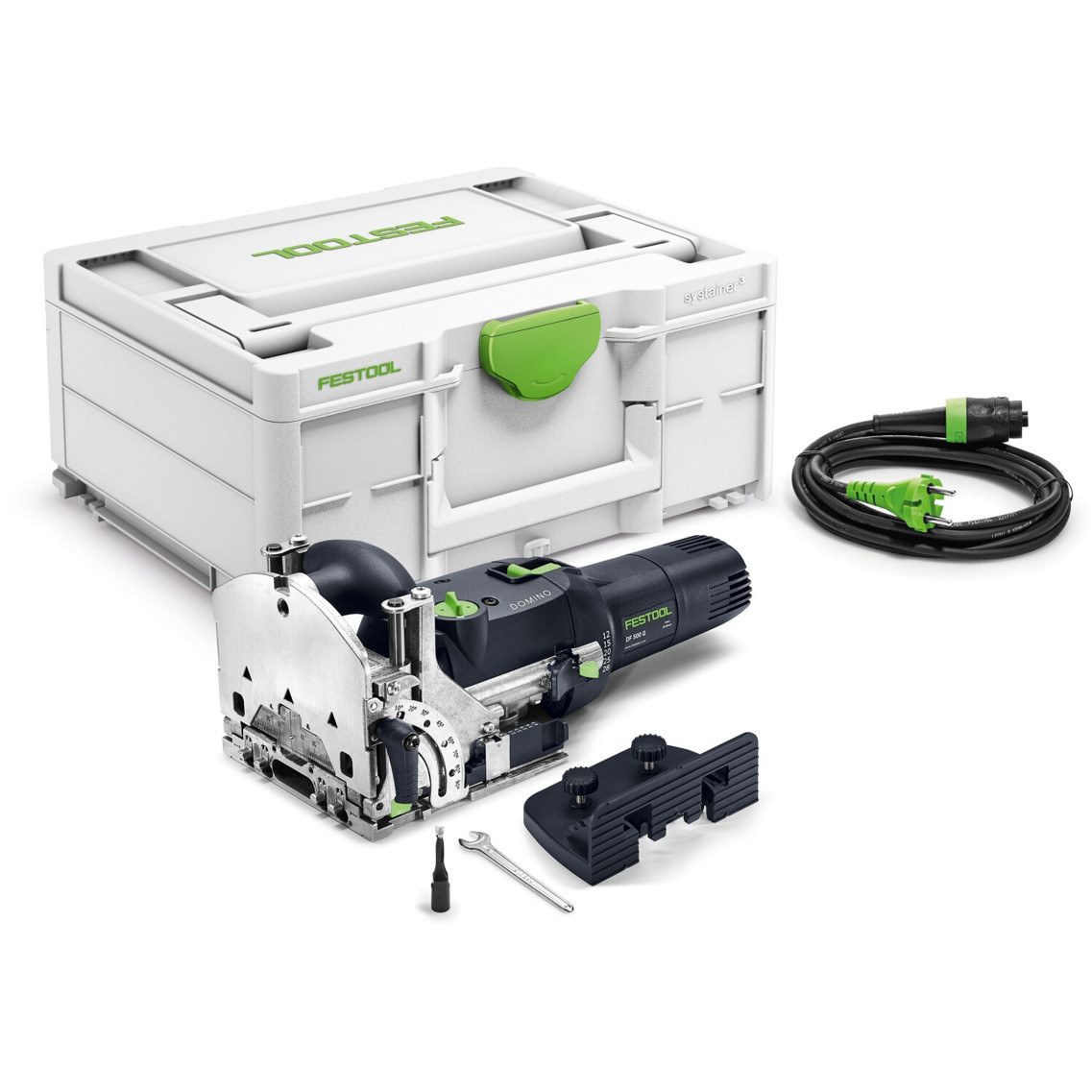
Secret Features of Benchtop Milling Machines
When examining different benchtop milling machines, it’s vital to evaluate different functions that affect efficiency and use. Below is a table summarizing crucial features to try to find:
| Feature | Value |
|---|---|
| Motor Power | Determines the machine’s capability to deal with materials. |
| Table Size | Affects workpiece size; bigger tables enable bigger projects. |
| Vertical Travel | Height variety of the milling head influences product thickness. |
| Spindle Speed | Identifies adaptability; higher speeds are appropriate for finer cuts. |
| Construction Material | Resilience and stability; cast iron and steel are preferable. |
| Weight | Much heavier machines tend to have much better stability and reduce vibration. |
| Accessories | Extra tools (e.g., vises, holds) enhance functionality. |
| Reduce of Use | Easy to use controls and functions improve the general experience. |
Leading Benchtop Milling Machines
The market is overflowing with options, dealing with a series of budget plans and needs. Below is a list of some top-rated benchtop milling machines along with their fundamental specs:
| Model | Motor Power | Table Size | Spindle Speed | Weight | Price |
|---|---|---|---|---|---|
| Grizzly G8689 | 1 HP | 27″ x 6″ | 100-2000 RPM | 150 lbs | ₤ 1,295 |
| Jet JMD-18 | 2 HP | 34″ x 9.5″ | 150-3000 RPM | 200 pounds | ₤ 2,424 |
| Proxxon 37110 | 1/8 HP | 24″ x 6″ | 100-5000 RPM | 34 pounds | ₤ 400 |
| Klutch Mini Mill | 1 HP | 30″ x 7″ | 100-2200 RPM | 150 pounds | ₤ 999 |
| Vertical Mill by SHOP FOX | 1 HP | 24″ x 6″ | 100-2000 RPM | 164 pounds | ₤ 1,499 |
Selecting the Right Benchtop Milling Machine
Here are a number of elements to think about when picking a benchtop milling machine:
-
Project Requirements: Identify what you prepare to work on. Are you focusing on small, detailed projects or larger, more robust creations? Match the machine’s specifications to your needs.
-
Budget: Set a clear budget. Benchtop milling machines can vary from several hundred to countless dollars. It’s vital to balance expense and required features.
-
Area Constraints: Measure your office. Guarantee the machine will fit not only in regards to physical dimensions however also in regards to operational comfort.
-
Power Supply: Check if your workshop has the proper power supply for the machine. For example, larger machines might need a dedicated power circuit.
-
Warranty and Support: Investigate the warranty options and the manufacturer’s client support. A good warranty shows self-confidence in the product.
-
Reviews and Recommendations: Read evaluations and consult fellow craftsmen or online forums. First-hand accounts can offer valuable insights beyond official specifications.
How to Maintain a Benchtop Milling Machine
Correct upkeep ensures durability and precision in operations. Here are some maintenance tips:
- Regular Cleaning: Keep the machine tidy by getting rid of chips and debris after each use.
- Lubrication: Follow the producer’s standards to oil moving parts routinely.
- Look for Wear and Tear: Inspect parts such as belting, equipments, and bearings for signs of wear.
- Calibration: Regularly adjust your machine for precision, especially after significant use.
- Shop Properly: If you’re not using the machine frequently, cover it to secure from dust and moisture.
Frequently Asked Questions (FAQ)
1. Can benchtop milling machines procedure metals?Yes, many benchtop milling machines are created to deal with metals. However, it’s important to validate the machine’s abilities and pick a model that is appropriate for your specific metalworking jobs. 2. What is the distinction in between a milling machine and a drill press?While both machines can drill holes, milling machines are more flexible and can cut complex shapes, etch, and produce surface area finishes, unlike drill presses designed mostly for drilling. 3. How do I understand which accessories to buy?Determine what extra tasks you prepare to perform, then research accessories that boost functionality, such as vises, clamps, and tool holders. 4. Is a benchtop milling machine ideal for beginners?Absolutely! Numerous designs are designed with user-friendly controls and features, making them accessible for beginners. However, users are motivated to familiarize themselves with safety practices. 5. Can I convert a benchtop mill to CNC?Yes, numerous lovers upgrade benchtop milling machines with CNC packages to automate processes. Significant machine modifications may be required, so careful factor to consider and planning are necessary. Purchasing a benchtop millingmachine is an investment that can dramatically
enhance your workshop’s capabilities. By understanding key features, assessing machine specs, thinking about work space and budget restraints, and preserving the devices properly, users can pick the
ideal machine that fulfills their requirements. Whether you are an experienced machinist or simply starting, the best benchtop milling machine empowers you to execute your most enthusiastic projects with precision and confidence.
