
Power Tools Prices
Add a review FollowOverview
-
Founded Date June 11, 1945
-
Sectors Construction / Facilities
-
Posted Jobs 0
-
Viewed 38

Company Description
20 Best Tweets Of All Time About Power Tool
Understanding Power Tools: Essential Guide for DIY Enthusiasts and Professionals
Power tools are vital instruments that revolutionize how jobs– from basic repairs to intricate construction activities– are performed. The development of these tools has significantly enhanced efficiency, accuracy, and safety in different fields, including construction, woodworking, metalworking, and automobile repair work. In this article, we will explore different types of power tools, their applications, security measures, upkeep, and typically asked questions.
Kinds Of Power Tools
Power tools can be broadly categorized into two primary types: corded tools and cordless tools. Each classification includes a variety of devices suited for particular tasks. Below is a table summing up some common kinds of power tools and their applications.
| Kind Of Power Tool | Typical Examples | Primary Applications |
|---|---|---|
| Drills | Cordless Drills, Hammer Drills | Drilling holes in wood, metal, or masonry |
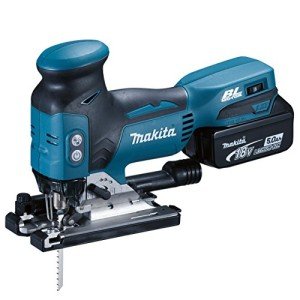
| Saws | Circular Saws, Jigsaws, Miter Saws | Cutting wood, metal, and other materials |
| Sanders | Orbital Sanders, Belt Sanders | Smoothing surface areas and preparing materials |
| Grinders | Angle Grinders, Bench Grinders | Grinding, cutting, and polishing materials |
| Nailers | Cordless Nail Guns | Attaching materials utilizing nails or staples |
| Impact Drivers | Cordless Impact Wrenches | Driving screws and bolts quickly and efficiently |
Applications of Power Tools
Power tools have a large selection of applications throughout various sectors. Here are some of the primary environments where power tools are typically used:
- Construction: Drills, saws, and nailers are important for framing, roof, and basic building and construction tasks.
- Woodworking: Saws, sanders, and routers are popular amongst woodworkers for crafting furniture and cabinets.
- Metalworking: Angle grinders, drill presses, and welders are important for those working with metal structures and components.
- Automotive: Impact wrenches and diagnostic tools are typically used in repair work and maintenance of vehicles.
- Home Improvement: For DIY projects, house owners often employ drills, saws, and nail guns for restorations and repairs.
Precaution
While power tools are beneficial, they can also position considerable threats if not used correctly. Here are necessary safety measures to consider when using power tools:
- Personal Protective Equipment (PPE): Always use proper gear, such as security goggles, gloves, and ear defense.
- Read the Manual: Understanding the tool’s manual is vital for safe operation.
- Check Tools Regularly: Before each usage, look for damage or wear that might impact efficiency or security.
- Secure Workpieces: Use clamps or vises to protect your workpieces to prevent motion throughout operation.
- Maintain a Clean Work Area: Clear your work space of clutter to lower the threat of accidents or injuries.
- Know Surroundings: Ensure the area is complimentary from any dangers, including diversions or possible journey threats.
Upkeep of Power Tools
Routine upkeep of power tools extends their life and boosts efficiency. Here are some practices to keep tools in top condition:
- Cleaning: Remove dust and debris from the tool after each usage. Usage appropriate cleaners for various types of tools Close to me.
- Lubrication: Regularly lube moving parts according to the producer’s suggestions.
- Battery Care: For cordless power tools, correctly charge and store batteries to preserve their life expectancy.
- Blade Replacement: Sharp blades make sure cleaner cuts; change dull or damaged blades as required.
- Calibration: Periodically check and calibrate tools to guarantee precision in performance.
FAQs about Power Tools
1. What is the difference between corded and cordless power tools?
- Corded tools are powered by electrical power through a plug, using consistent power for heavy tasks. Cordless tools operate on rechargeable batteries, providing portability and convenience however may have power limitations.
2. How do I choose the right power tool for my task?
- Think about the material you’ll be dealing with, the complexity of the task, and whether you require mobility. Research study tool specifications and compatibility with your tasks before making a purchase.
3. Are there any particular safety requirements for power tools?
- Yes, lots of nations have established safety requirements for power tools, ensuring they fulfill extensive manufacturing guidelines. Always look for certifications such as ANSI (American National Standards Institute) or ISO (International Organization for Standardization).
4. Can I use power tools indoors?
- Most power tools can be used inside your home, but guarantee sufficient ventilation and consider noise levels. Tools that produce fumes or dust ought to be utilized in well-ventilated areas.
5. What upkeep tasks should I perform frequently?
- Regular tasks include cleansing, examining for damage, oiling moving parts, and charging or preserving batteries for cordless tools.
In summary, power tools are an essential element of both professional and DIY tasks. Comprehending the different kinds of tools, their applications, safety steps, and upkeep practices guarantees efficient and safe use. By arming oneself with understanding and preparation, individuals can confidently handle any project, from home repair work to complex building and construction tasks. Power tools not only make work easier but likewise boost imagination, allowing users to transform their visions into reality.
