
Oven Extractor Fan
Add a review FollowOverview
-
Founded Date December 30, 1928
-
Sectors Sales & Marketing
-
Posted Jobs 0
-
Viewed 25

Company Description
Guide To Cookerhood: The Intermediate Guide Towards Cookerhood
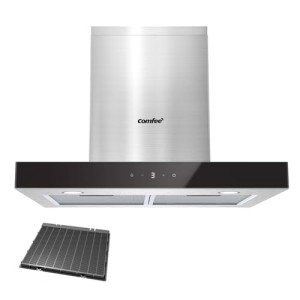
Unveiling the Importance of Cooker Hoods: Enhancing Your Kitchen Environment
In modern kitchens, the cooker hood, typically referred to as the range hood, has ended up being more than just a necessary home appliance; it plays a crucial role in maintaining a healthy and comfortable cooking space. This post looks into the significance of cooker hoods, exploring their functions, types, and upkeep tips while including an in-depth comparison table for simple referral. We’ll likewise address some often asked questions.
The Functionality of Cooker Hoods
Cooker hoods serve multiple functions in the kitchen:
- Air Filtration: They assist in getting rid of smoke, steam, grease, and other airborne particles produced while cooking.
- Odor Control: Cooker hoods help in keeping the kitchen smelling fresh by filtering and expelling cooking odors.
- Security: By venting excess wetness and heat, they assist prevent the buildup of mold and reduce fire risks.
- Visual Appeal: Modern cooker hoods can be found in numerous styles that can boost the general look of the kitchen.
Kinds Of Cooker Hoods
Understanding the various types of cooker hoods can assist property owners pick the right alternative for their kitchen. Below is a comparative table summing up the main types of cooker hoods together with their essential features, pros, and cons.
| Kind Of Cooker Hood | Secret Features | Pros | Cons |
|---|---|---|---|
| Under-Cabinet | Installed under cabinets, compact design | Space-saving, quickly available | Restricted extraction power |
| Wall-Mounted | Connected to the wall above the cooktop | Trendy style, excellent for open areas | Needs wall installation |
| Island | Designed for usage above kitchen islands | Uses a centerpiece, exceptional suction | Expensive, requires appropriate ceiling height |
| Downdraft | Pulls back into the counter top | Discreet, perfect for minimalist styles | Less efficient than traditional hoods |
| Insert | Suits customized cabinetry | Personalized, blends effortlessly | Can be complex to install |
| Chimney | Freestanding with a chimney-like design | High extraction rates, excellent visual appeals | Uses up more space |
Advantages of Using a Cooker Hood
- Improves Air Quality: By filtering out hazardous particles, cooker hoods significantly enhance indoor air quality in the kitchen, which is essential for health.
- Prevents Grease Buildup: A great cooker hood will effectively record grease particles, therefore reducing grime on kitchen surfaces.
- Enhances Comfort: By eliminating heat and humidity, cooker hoods create a more comfortable cooking environment, specifically during intense cooking sessions.
- Lowers Cleaning Time: With the effective capture of grease and odors, Cookerhood kitchens with cooker hoods require less frequent deep cleansing.
Considerations When Choosing a Cooker Hood
When acquiring a cooker hood, a number of elements must be considered:
- Size: Ensure that the hood is at least as broad as the cooktop and has sufficient height to permit effective ventilation.
- CFM Rating: Consider the hood’s cubic feet per minute (CFM) score, which shows its airflow capacity. Higher CFM is usually better for larger cooking surface areas.
- Noise Level: Evaluate the sound level in decibels (dB). A quieter design can enhance the cooking experience.
- Ducted vs. Ductless: Decide whether to install a ducted hood (vented outside) or a ductless hood (usages charcoal filters). Ducted hoods are typically more effective.
Maintenance Tips for Cooker Hoods
Regular upkeep increases the longevity and effectiveness of cooker hoods. Here are a few important pointers:
- Clean Grease Filters: Depending on use, clean or change filters every one to three months to ensure ideal efficiency.
- Inspect Ducts: Inspect and tidy ductwork annually to avoid blockages that can decrease air flow performance.
- Wipe Down the Exterior: Regularly tidy the hood’s outside using moderate soap and water to keep it looking new.
- Check the Fan: Conduct regular checks to ensure the fan is operational, as a malfunctioning fan reduces the hood’s performance.
Often Asked Questions (FAQ)
1. How do I determine the ideal CFM ranking for my kitchen?
The basic rule of thumb is to calculate the CFM requirement based on your stove’s BTU rating. You can utilize the formula:[ text CFM = frac text BTU 100] Therefore, for a 30,000 BTU cooktop, you would require approximately 300 CFM.
2. Can I set up a cooker hood without existing ductwork?
Yes, ductless cooker hoods are offered, which recirculate air through filters before sending it back into the kitchen. However, they might not be as reliable in eliminating heat and moisture compared to ducted hoods.
3. How frequently should I clean my cooker hood?
It’s advised to clean the filters every one to three months, depending on usage frequency and the kind of cooking being done.
4. Are all cooker hoods noisy?
Not all cooker hoods create substantial sound. Try to find models with a lower dB ranking for quieter operation, specifically if sound is an issue in your kitchen.
5. What is the difference in between a filter and a ductless cooker hood?
A filter hood uses charcoal or grease filters to clean up the air and recirculate it back into the kitchen, while ducted hoods expel air outside through ducts, supplying better ventilation.
In conclusion, the cooker hood is an important component of modern kitchens, contributing to enhanced air quality, security, and convenience. With different designs offered, it is necessary to consider the specific requirements of your cooking area when choosing the right model. Routine maintenance will ensure the cooker hood remains efficient and prolong its life expectancy, making it a smart financial investment for any kitchen.
