
Kitchen Extractor Fans
Add a review FollowOverview
-
Founded Date August 14, 1935
-
Sectors Restaurant / Food Services
-
Posted Jobs 0
-
Viewed 28

Company Description
5 Killer Quora Answers To Chimney Cooker Hoods
Understanding Chimney Cooker Hoods: A Comprehensive Guide
Chimney cooker hoods have become a staple in modern kitchens, combining performance with chic aesthetic appeals. These ventilation systems are developed to eliminate smoke, odors, and air-borne grease from the kitchen, improving air quality while matching kitchen décor. In this article, we will check out numerous elements of chimney cooker hoods, their advantages, types, setup pointers, and upkeep guidance.
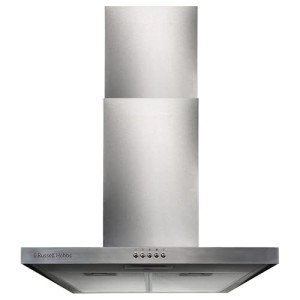
What is a Chimney Cooker Hood?
A chimney cooker hood, frequently called a chimney hood, is a kitchen home appliance installed above the cooking range to extract smoke, grease, steam, and odors while cooking. Its design features a vertical structure resembling a chimney, giving it its name. These hoods can be ducted (venting air outside) or recirculating (filtering and reintroducing air), dealing with differing kitchen setups.
Secret Features of Chimney Cooker Hoods
| Function | Description |
|---|---|
| Design | Streamlined and modern, fits numerous kitchen styles |
| Sizes | Readily available in multiple widths and heights |
| Filters | Generally equipped with grease and charcoal filters for ideal performance |
| Controls | May include buttons, touch, or remote controls |
| Lighting | Functions incorporated lighting for much better exposure while cooking |
Benefits of Using Chimney Cooker Hoods
-
Improved Air Quality: Chimney hoods efficiently remove harmful vapors, making sure a healthier cooking environment.
-
Odor Elimination: They assist eliminate cooking odors, avoiding them from settling in furnishings or upholstery.
-
Grease Reduction: A chimney hood limits grease buildup on surfaces, making kitchen cleansing simpler.
-
Enhances Kitchen Aesthetics: Available in numerous styles, they can serve as a centerpiece in kitchen style.
-
Increased Kitchen Comfort: By improving air flow, they make cooking more pleasant, especially in restricted kitchen areas.
Kinds Of Chimney Cooker Hoods
Chimney hoods come in various types, each created to fit specific needs. Here are the most common types:
| Type | Description | Pros | Cons |
|---|---|---|---|
| Wall-Mounted | Set up against a wall above the cooking range. | Space-saving, trendy, and flexible. | Requires wall area; might be more costly. |
| Island | Suspended from the ceiling above an island cooking range. | Offers visual appeal and efficient ventilation. | Installation can be complicated; greater expense. |
| Under-Cabinet | Mounted under kitchen cabinets. | Suitable for kitchens with minimal space. | Less aesthetic appeal; may limit airflow. |
| Built-In | Integrated into kitchen cabinetry for a smooth appearance. | Surprise design, takes full advantage of area. | Normally more costly; might limit power. |
Installation Tips for Chimney Cooker Hoods
Setting up a chimney cooker hood can be a straightforward procedure, but proper guidelines must be followed. Here is a list of necessary installation ideas:
-
Select the Right Height: The perfect height for setup is generally between 26-30 inches above the cooking surface.
-
Think about the Ductwork: Ensure sufficient ducting remains in location if you go with a ducted model. Short, straight duct runs reduce loss of suction.
-
Verify Electrical Needs: Check the hood’s specs for electrical requirements and make sure appropriate circuitry.
-
Follow Manufacturer Instructions: Each brand might have unique treatments; always describe the maker’s guide.
-
Protect Proper Ventilation: Ensure proper ventilation outside the home for ducted hoods, avoiding backdrafts.
Frequently Asked Questions About Chimney Cooker Hoods
1. How do I understand which size chimney hood to buy?To determine the right size, consider the width of your cooking range. The hood should match or be a little larger than the cooking device, normally 3-6 inches larger.
2. Do chimney hoods work without ducting?Yes, recirculating (non-ducted) designs can filter and cleanse the air before launching it back into the kitchen. Nevertheless, they might be less effective than ducted variations.
3. How typically should I clean up the filters?It’s a good idea to tidy grease filters each month and replace charcoal filters roughly every 6 months, depending upon use.
4. Can chimney hoods be utilized over all kinds of cookers?Most designs appropriate for gas and electric cookers. However, inspect the maker’s standards to make sure compatibility.
5. What is the typical cost of chimney cooker hoods?Prices vary substantially, varying anywhere from ₤ 100 for standard models to over ₤ 2,000 for high-end, designer variations.
Upkeep of Chimney Cooker Hoods
To make sure longevity and efficient performance of chimney cooker hoods, routine maintenance is important. It can avoid breakdowns and maintain optimum duct performance.
Maintenance Checklist
- Tidy the Filters: Remove and wash grease filters routinely.
- Inspect the Fan: Inspect and clean up the fan and motor to ensure they function properly.
- Examine Ductwork: Periodically examine ducts for clogs or buildup.
- Polish the Surface: Use suitable cleaning products to avoid scratches and maintain shine on the exterior.
- Evaluate the Lighting: Regularly inspect light functions and replace burnt-out bulbs immediately.
Chimney cooker hoods are an important part of modern kitchen style and functionality. They enhance the cooking experience while effectively improving air quality. With numerous designs and alternatives available, finding the best chimney hood to suit your needs ends up being an attainable job. By understanding their types, benefits, and maintenance, one can make informed decisions, making sure a perfectly aerated kitchen for several years to come.
