
Baby Cot Bed
Add a review FollowOverview
-
Founded Date April 15, 1980
-
Sectors Education Training
-
Posted Jobs 0
-
Viewed 116

Company Description
10 Reasons You’ll Need To Be Educated About Babys Cot
Everything You Need to Know About Baby Cots: Choosing the Perfect Sleep Space for Your Little One
Inviting a new baby brings with it an emotional whirlwind of pleasure, enjoyment, and many decisions concerning the best for your child’s health and happiness. One of the most vital choices expectant moms and dads face is picking the ideal sleeping environment for their newborn. A baby cot, likewise called a crib, plays a critical role in making sure a safe and comfy sleep area for infants.
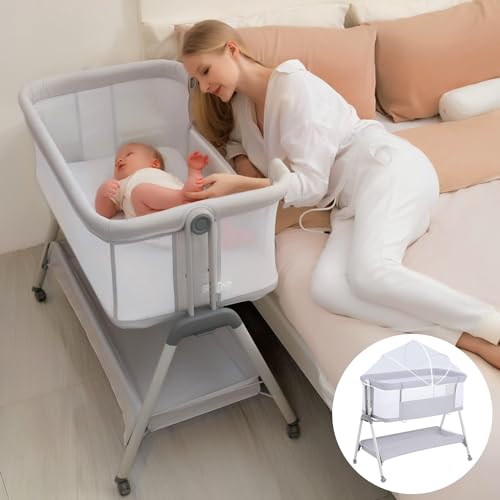
This post checks out essential aspects of baby cots, including types, safety standards, vital functions, psychological factors to consider, and FAQs to assist new moms and dads make a notified choice.
Kinds Of Baby Cots
When choosing a baby cot, a number of types are readily available, each dealing with different requirements and preferences:
| Type of Cot | Description | Pros | Cons |
|---|---|---|---|
| Conventional Cot | A fixed cot that is generally designed for babies. | Durable and sturdy. | Less flexibility in height alternatives. |
| Convertible Cot | A cot that can transition into a toddler bed or daybed. | Can grow with the child. | Greater upfront expense. |
| Portable or Travel Cot | A light-weight cot that can be quickly transferred. | Practical for travel and visits. | May not be as sturdy as standard cots. |
| Co-Sleeper Cot | Connects to the moms and dad’s bed for close sleeping. | Promotes bonding Tots And Cots accessibility. | Restricted life expectancy; parent might roll onto it. |
| Bassinet | A smaller, portable bed for newborns approximately 4-6 months. | Compact and easily movable. | Very minimal life expectancy; fast shift needed. |
Key Features to Consider
When selecting the ideal baby cot, several vital features must be considered to ensure security, convenience, and usefulness:
-
Safety Standards: Ensure the cot fulfills security standards set by organizations like the American Society for Testing and Materials (ASTM) or the Juvenile Products Manufacturers Association (JPMA).
-
Product Quality: Cots are typically made from wood or metal. Pick solid wood alternatives for toughness but ensure they are devoid of poisonous surfaces and unique designs that could present a risk.
-
Adjustable Mattress Heights: Features that enable parents to change the height of the bed mattress can make it much easier to raise a baby in and out of the cot as they grow.
-
Good Mattress Support: A supportive bed mattress is essential for your baby’s advancement. Ensure that the bed mattress fits snugly in the cot without any gaps in between the bed mattress and crib sides.
-
Assembly and Portability: Consider how easy the cot is to put together and whether it can be easily moved if necessary. Travel cots and lightweight designs can be beneficial for households on the go.
-
Bedding Considerations: Safety standards recommend utilizing a firm bed mattress with a fitted sheet. Prevent pillows, toys, and excessive bed linen inside the cot to decrease the risk of suffocation.
-
Aesthetic appeals: While not a priority, the cot’s design and color need to match your home decoration and your individual style.
Making Sure Safety: Guidelines for Baby Cots
The security of your baby is vital, and numerous standards have been established to guarantee they sleep peacefully in their cots:
-
Spacing: The slats on the sides of the cot should be no more than 2-3 inches apart to avoid the baby’s head from getting trapped.
-
Age Appropriateness: Use the cot till the baby can rise on their hands and knees. At that point, transitioning to a toddler bed is recommended.
-
Cots Recalls: Stay notified about any remembers on baby cots or bed mattress. Frequently check customer safety sites for updates.
-
Environmental Safety: Avoid putting the cot near windows, drapes, or blinds to prevent unexpected strangulation.
Emotional Considerations for Parents
Picking a cot doesn’t simply include logistics; it also integrates emotional elements:
-
Bonding: A co-sleeper cot can help with bonding by permitting parents to easily address their newborn throughout the night.
-
Sleep Training: Some moms and dads might discover that the cot’s style impacts their ability to sleep train. Portable or convertible choices may supply adaptability to ease shifts as children grow.
Frequently Asked Questions About Baby Cots
Q1: What is the best age to shift from a cot to a toddler bed?
A: Typically, this shift takes place in between 2-3 years of age, depending on the child’s development. Once they start climbing out of the cot or reach a height of 35 inches, it may be time to switch.
Q2: How long can a baby use a cot?
A: Infants can sleep in a cot from birth until they have to do with 3 years old or until they begin climbing up out or reach a height where it’s no longer safe.
Q3: Can I utilize a pre-owned cot? What should I check?
A: Yes, you can utilize a pre-owned cot, but ensure it fulfills present security standards, does not have lead paint, does not have sharp edges, and has actually not been recalled.
Q4: What type of mattress is best for a baby cot?
A: A company foam or innerspring mattress that fits snugly within the cot is ideal. Guarantee it has a waterproof cover for simple cleaning.
Q5: Is it safe to put my baby in a cot with blankets and toys?
A: For babies, it’s best to keep the cot devoid of pillows, toys, or heavy blankets to reduce the danger of suffocation or Sudden Infant Death Syndrome (SIDS).
Choosing the ideal baby cot is a substantial choice that needs cautious consideration of different elements, from safety to aesthetic appeals. By understanding the offered types of cots, their key features, and adhering to safety standards, new moms and dads can confidently create a sleep environment customized to their child’s requirements. Proper research study and preparation are necessary, ensuring that both the kid and moms and dads feel comfy and safe and secure in this important turning point of early childhood. Eventually, every baby should have a tight and safe cranny– make the option count!