
Hobelmaschinen-Marktplatz
Add a review FollowOverview
-
Founded Date September 8, 1938
-
Sectors Telecommunications
-
Posted Jobs 0
-
Viewed 8

Company Description
The Main Problem With Easy-To-Use Planing Machines, And What You Can Do To Fix It
Easy-To-Use Planing Machines: A Guide for Beginners and Professionals
Introduction
Planing machines have ended up being essential tools in woodworking and production, offering an effective way to create smooth, flat surface areas on wood and other materials. These machines, also called planers, come in numerous types varying from manual to electric. For both newbies and experts, choosing an easy-to-use planing maker can considerably improve efficiency while ensuring security and precision. In this article, we will explore different easy-to-use planing machines, their functions, and crucial considerations to assist you select the ideal tool for your requirements.
Kinds Of Planing Machines
Planing machines can be classified into numerous categories based upon their design, source of power, and meant usage. Below, we summarize the primary kinds of planing machines:
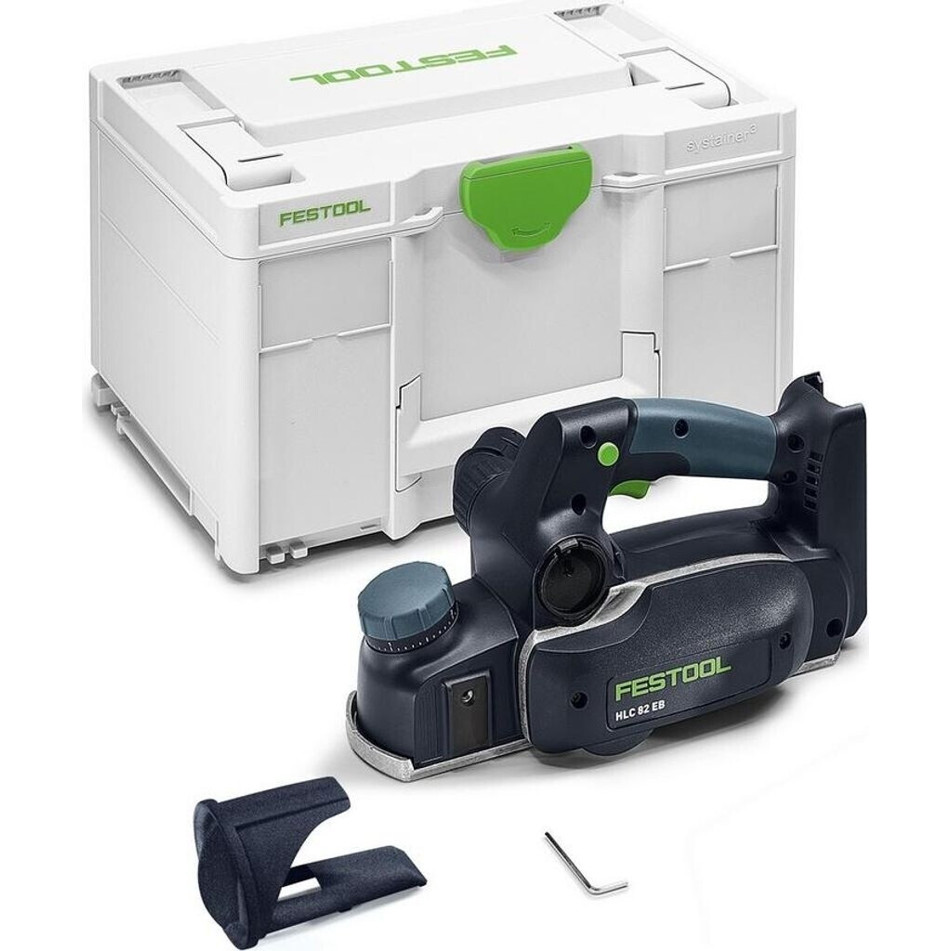
| Type of Planer | Description | Best For |
|---|---|---|
| Hand Planer | A manual tool operated by hand, perfect for fine adjustments | Hobbyists, smaller projects |
| Thickness Planer | An electric maker that dimensions wood to a particular density | Experts, larger projects |
| Benchtop Planer | A compact electric planer suitable for home workshops | Do it yourself enthusiasts, limited area |
| Industrial Planer | Large, sturdy machines developed for mass production | Factories, massive operations |
| Portable Planer | Light-weight and easy to transfer, developed for fieldwork | On-site carpentry, mobile jobs |
Features of Easy-to-Use Planing Machines
When selecting a planing machine, several essential functions can boost usability:
- Adjustable Cutting Depth: Easy-to-use planers often feature a simple mechanism to change the cutting depth, permitting higher precision in ending up work.
- Dust Collection System: Integrated or attachable dust collections systems help keep a clean work space and improve presence while working.
- User-Friendly Controls: Simple and instinctive controls make operation much easier for beginners, promoting safety and Hobelmaschinen-Onlineshop decreasing the possibility of errors.
- Portability: Weighing less with integrated manages makes it possible for users to move the device quickly from one area to another.
- Durable Construction: Quality products improve the tool’s durability and performance, ensuring that it holds up against extensive use.
Suggestions for Easy-to-Use Planing Machines
Below are some popular models of easy-to-use planing machines, together with their key requirements and functions.
| Design | Type | Power | Cutting Width | Weight | Price Range (GBP) |
|---|---|---|---|---|---|
| DEWALT DW734 | Thickness Planer | 15A | 12 inches | 80 lbs | ₤ 400 – ₤ 500 |
| Makita 1806B | Benchtop Planer | 15A | 12 inches | 65 pounds | ₤ 300 – ₤ 400 |
| Bosch PL2632K | Hand Planer | 6.5 A | 3.25 inches | 6.8 lbs | ₤ 100 – ₤ 150 |
| WEN 6550T | Portable Planer | 15A | 12 inches | 66 pounds | ₤ 250 – ₤ 300 |
| Grizzly G1021Z | Industrial Planer | 5HP | 20 inches | 450 lbs | ₤ 2,000 – ₤ 3,000 |
Safety Considerations
Utilizing planing machines requires adherence to security procedures. Here are necessary pointers to boost security while using a planing machine:
- Personal Protective Equipment (PPE): Always use safety goggles, gloves, and ear protection to protect yourself from debris and noise.
- Inspect Before Use: Check the machine for wear and tear, ensuring that blades are sharp and secure and that guards remain in location.
- Steady Setup: Ensure that the maker is on a stable surface to avoid tipping or motion during operation.
- Correct Feeding Technique: Feed wood slowly and evenly to avoid jams and splintering.
- Never Ever Override Safety Features: Respect all security guards and features; they are created to keep operators safe.
Frequently asked questions
1. What is the difference between a thickness planer and a jointer?
- A thickness planer is designed to flatten the surface of wood to a specific thickness, while a jointer is used to produce flat edges on boards, making it possible to join pieces together flawlessly.
2. Can I use a hand planer for large projects?
- Hand planers are generally more suited for smaller sized tasks and great tuning; for bigger projects, a thickness planer or an industrial planer is suggested for performance and consistency.
3. How typically should I change the blades on my planer?
- Blade replacement depends on use and the products being planed. Frequently inspect blades for dullness; typically, they must be changed every 3-6 months for ideal efficiency.
4. What kind of wood can be planed with these machines?
- A lot of planing machines can handle softwoods and hardwoods. Nevertheless, always consult the manufacturer’s specs to determine what products are best fit for a specific design.
Selecting the ideal planing maker can significantly simplify woodworking tasks, whether for hobby projects or professional applications. Easy-to-use planing machines gear up users with the tools needed to achieve precision and effectiveness without jeopardizing security. The models highlighted above serve as outstanding entry points into the world of planing, catering to a large variety of skill levels and job sizes. By comprehending the features and specifications, you ‘d be well-prepared to invest in a dependable planing machine that meets your requirements.
